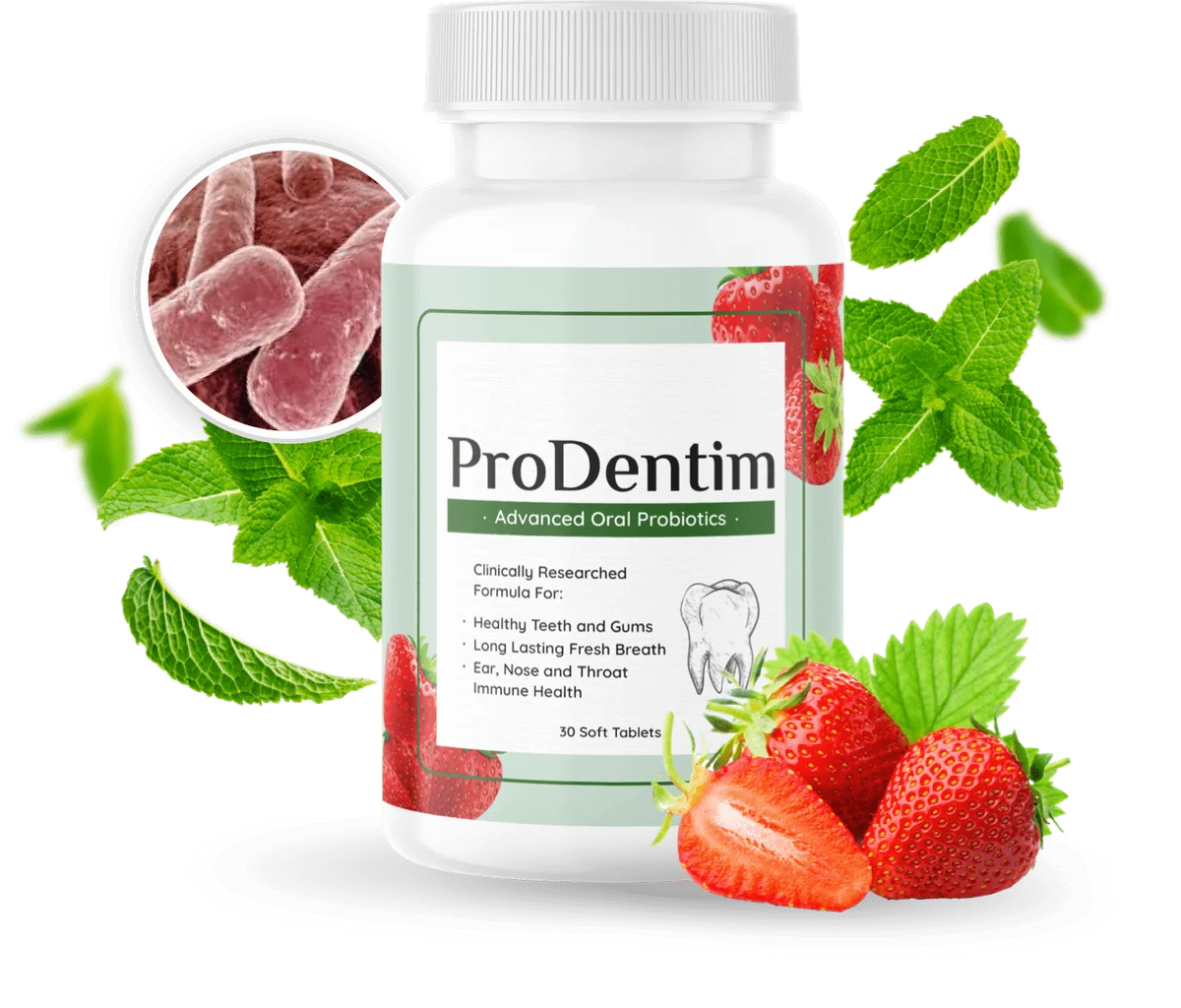
ProDentim markets itself as a daily oral‑health probiotic with 3.5 billion CFU of multiple strains plus vitamins and minerals. This review cuts through the hype to see whether the formula actually supports a healthier mouth and if the price matches the benefit. We look at ingredient transparency, any clinical backing, user experience and cost efficiency, then give a bottom‑line recommendation.

The product is sold as a chewable tablet that claims to balance oral microbiome, reduce bad breath and support gum health. We evaluate the science behind probiotic oral care, compare ProDentim to more traditional options, and note any red flags that could affect a buyer’s decision.
ProDentim combines several Lactobacillus and Bifidobacterium strains with vitamin D3, zinc and a blend of herbal extracts. The probiotic strains are chosen for their ability to colonize the oral cavity and outcompete pathogenic bacteria that cause plaque and halitosis. Vitamin D3 and zinc are added for their known roles in immune modulation and antimicrobial activity. The herbal extracts—such as peppermint and echinacea—are intended to freshen breath and provide mild anti‑inflammatory effects. While each component has a plausible mechanism, the product does not disclose exact strain counts or viability at the point of consumption, making it hard to gauge potency.
The maker cites clinical research that examined probiotic blends for oral health, but the studies referenced are broad and not specific to ProDentim’s exact formulation. Generic probiotic trials have shown modest reductions in plaque scores and gingival inflammation, but results vary widely based on strain, dose and study duration. No peer‑reviewed paper directly tests ProDentim’s 3.5 billion CFU mix, so the claim of “backed by clinical research” remains a general statement rather than product‑specific proof.
ProDentim is produced in a GMP‑certified facility in the United States, and the label lists all ingredients with batch numbers. Third‑party testing for contaminants such as heavy metals and microbes is mentioned on the maker’s website, but the reports are not publicly linked. The chewable tablet format eliminates the need for refrigeration, yet the stability of live cultures in a dry tablet over time is a concern; without expiration‑specific viability data, potency may decline before the recommended 30‑day supply is finished.
Customers report that the chewable tablets have a mild mint flavor and dissolve quickly, making them easy to incorporate into a morning routine. Some users notice a fresher breath within a week, while others see no change. The product requires daily adherence, and missing doses could reduce any potential benefit. Because the tablets are not a replacement for mechanical cleaning, users must continue brushing and flossing, which can feel redundant for those hoping for a single‑step solution.
A single bottle of ProDentim contains 30 tablets and retails for roughly $70, translating to about $2.33 per day. Comparable oral probiotic powders cost $0.30‑$0.60 per day, though they lack the added vitamins and herbal extracts. Traditional oral care products—mouthwash, fluoride toothpaste, and dental floss—average under $0.10 per day. For consumers focused on budget, ProDentim’s premium price must be justified by perceived benefits that are not yet proven at the product level.
ProDentim offers a convenient, taste‑masked probiotic blend that aligns with emerging research on oral microbiome health. However, the lack of product‑specific clinical data, unclear strain viability, and a price point above standard oral care tools make it a questionable investment for most buyers. Those already committed to a solid brushing and flossing routine may find modest added value, but the supplement is not essential for maintaining oral health.
ProDentim presents a plausible probiotic approach to oral health, but the evidence is indirect and the price is steep. If you already practice thorough dental hygiene and want a supplemental boost, the chewable may be a convenient addition. For most consumers, the modest potential benefits do not outweigh the cost and the lack of concrete, product‑specific research, so we recommend treating it as an optional adjunct rather than a core part of your oral‑care regimen.